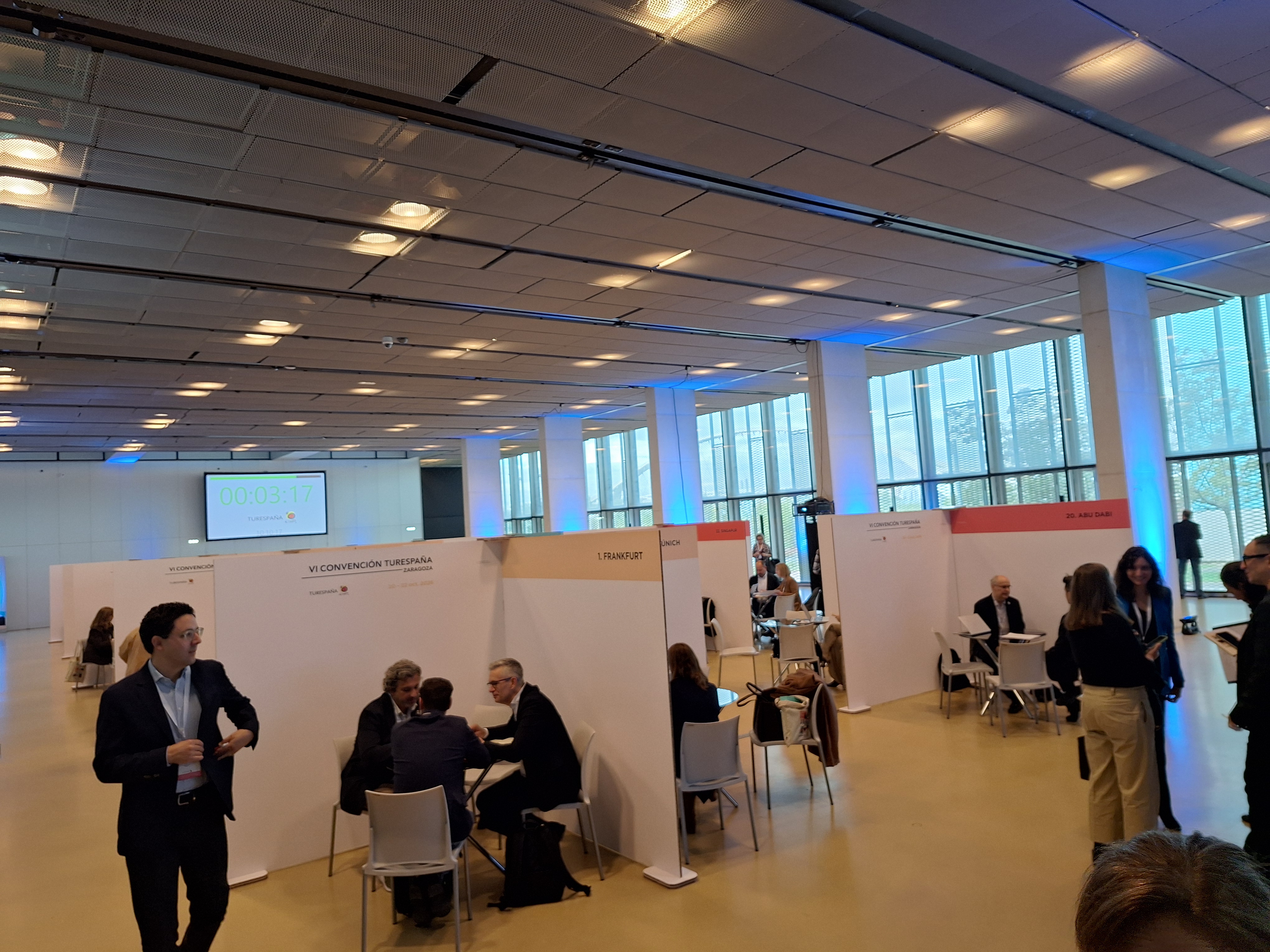


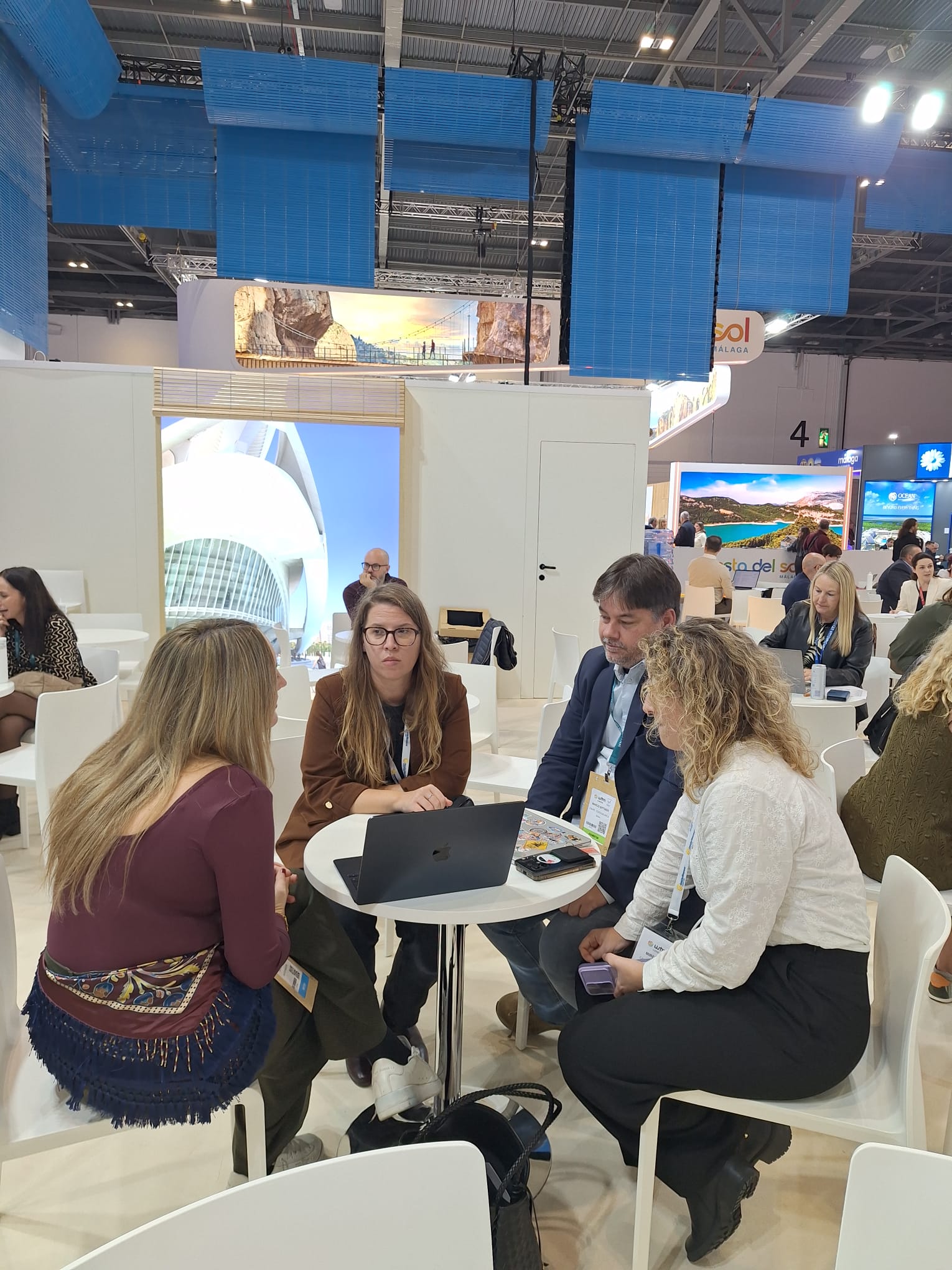
From November 3rd to 5th, the Calp City Council participated in the World Travel Market (WTM) in London—one of the world’s most significant tourism trade shows—as part of the Costa Blanca stand. The municipal delegation, which included the Councilor for Tourism, Mireia Ripoll; the Councilor for Tourism Promotion, Marco Bittner; and a technical specialist from the Tourism Department, attended the event with a strategy focused not only on promoting the destination but also on fostering a tourism model capable of generating a greater positive impact on the local economy.
Throughout the event, the agenda centered on establishing connections with tour operators and digital platforms to communicate the type of tourism Calp aims to encourage: visitors who travel year-round, stay for longer periods, and contribute directly to the activity of local shops, restaurants, and businesses.
In this regard, one of the initiatives pursued in London involved establishing a partnership with an Icelandic tour operator already familiar with the municipality. The goal is to promote exchanges for professional groups—specifically educators—by leveraging the direct flight connection between Reykjavik and Alicante. This type of visitor typically travels outside of the high season, stays for longer durations, and engages more closely with the life of the local community.
The delegation also held meetings with tour operators specializing in cycle tourism. During these discussions, they highlighted Calp’s commitment to this form of sports tourism, as well as campaigns designed to raise awareness among cyclists and cycle tourists, alongside measures the City Council is implementing to manage coexistence and ensure road safety.
Another key objective of the participation in the WTM was to help local small and medium-sized enterprises (SMEs) gain direct access to foreign markets. To this end, Calp reached an agreement with representatives from TripAdvisor to organize a series of talks in the municipality, aimed at local businesses in the retail and hospitality sectors. These sessions will explain the digital ecosystem for promoting and selling experiences—with a particular focus on the Viator platform—aimed at helping businesses increase their revenue.
Gastronomy has served as the third major pillar of the fair. In this area, progress has been made with a tour operator specializing in culinary tourism to organize familiarization trips for small groups, including American chefs. These trips will showcase the gastronomy of Calp and the entire Marina Alta region, highlighting its local products and Michelin-starred restaurants.
“We didn’t go to London to seek out more tourists, but rather to find better opportunities for Calp,” explained Mireia Ripoll, Councilor for Tourism. “We want to be intentional about the type of tourism we promote—attracting visitors who come during the off-season, patronize our local shops and restaurants, and contribute to the town’s prosperity. We also want our small and medium-sized enterprises (SMEs) to have the tools they need to sell directly to the international market.”
Calp’s presence in London also served to bolster the promotion of the municipality’s cultural offerings to the British media. The delegation highlighted key assets such as the Calp History Museum (MAU) and the Banys de la Reina archaeological site, while also sharing the town’s own history as a tourist destination—emphasizing its long-standing ties to the United Kingdom through figures like the writer Rose Macaulay and Evelyn Dewhurst, popularly known as “Mrs. Fuz.”
“Calp possesses a history, culture, and gastronomy that allow us to compete on more than just sun and beaches,” added Marco Bittner, Councilor for Tourism Promotion. “That is the image we have presented in London.”